
Puzzleteil NordamerikaHaiti
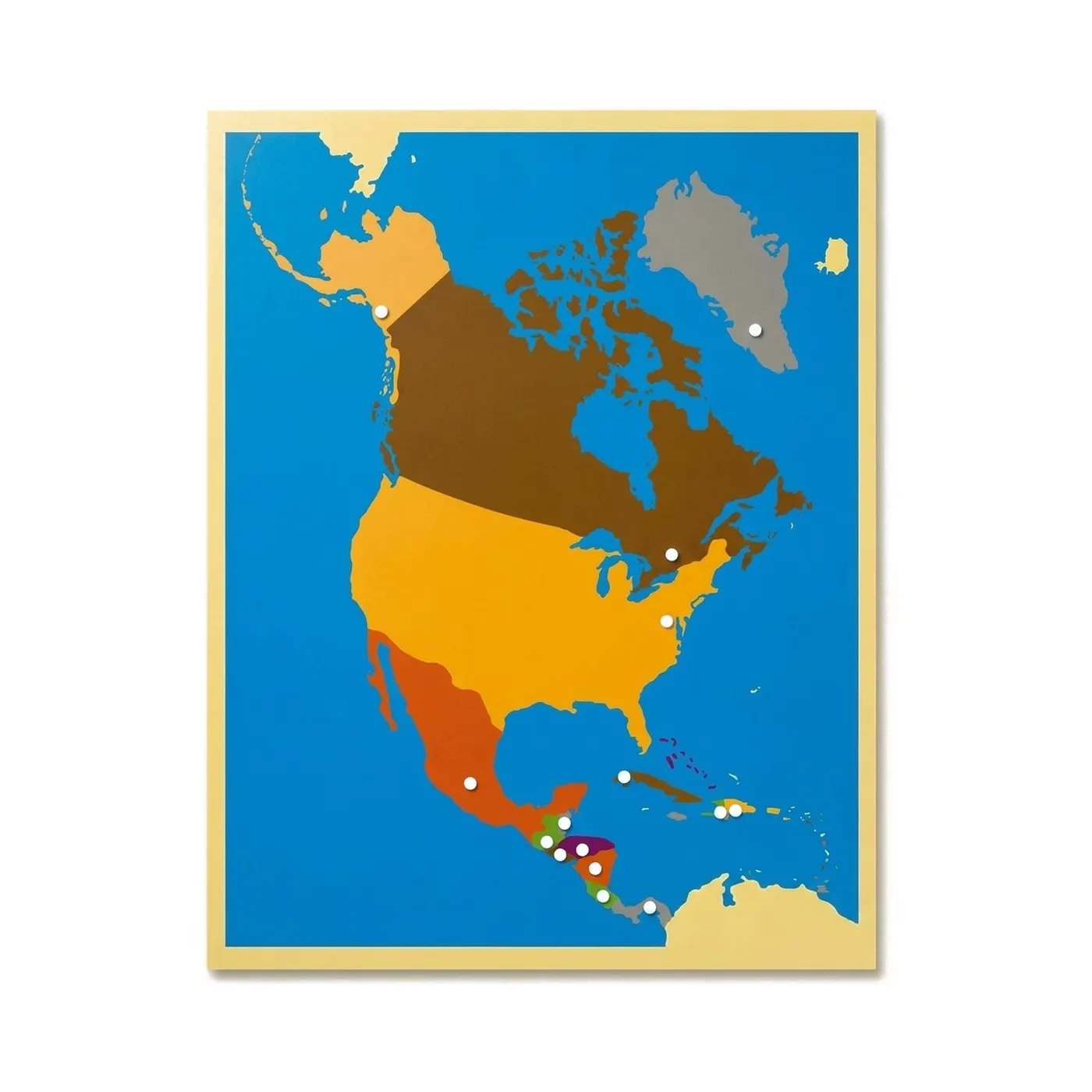
Das erste Foto stammt vom Hersteller. Die weiteren Aufnahmen dienen der Illustration.
Inv.-Nr. NIE-0176C010
- Hersteller
- Nienhuis Montessori, seit 1929
- Grundmaterial
- Duron, Buche
- Oberfläche
- Grüne Farbe
- EAN
- 8719924008680
Endpreis inkl. gesetzlicher Umsatzsteuer. Versand 5,90 €, bis zum kostenlosen Versand fehlen 124,10 €.
Beratung, Gewährleistung und Rückgabe wickeln wir ab.
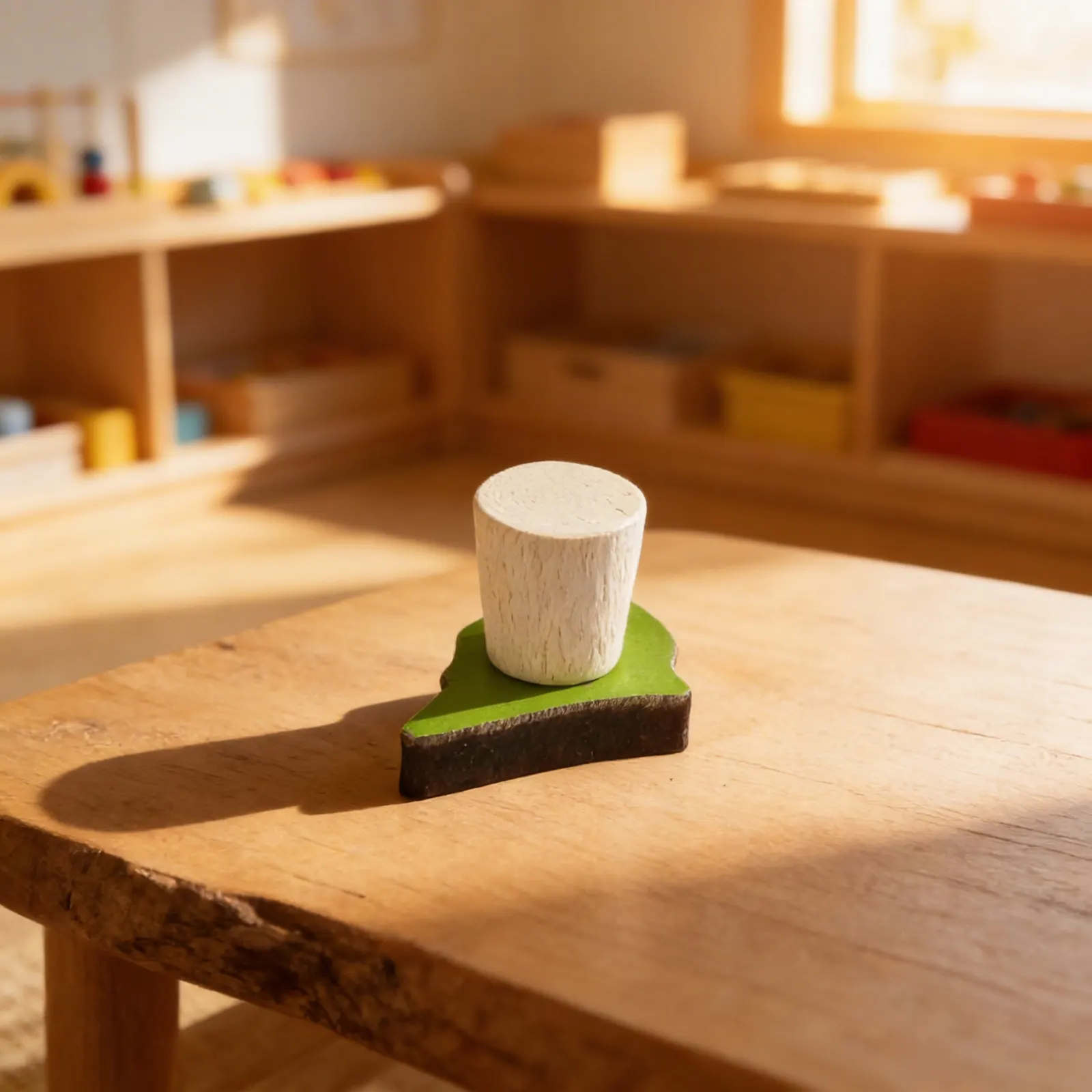
Puzzleteil Nordamerika in Kinderhänden
Haiti nimmt den westlichen Teil der Insel Hispaniola in der Karibik ein, und dieses Produkt ist sein Teil für die Puzzlekarte von Nordamerika; die Karte selbst ist ein eigener Artikel. Das Material ist Duron und Buche, die Farbe Grün, wie Nienhuis sie nennt, und das Teil hat einen Knopf zum Anfassen. Das Kind dreht das Teil nach seiner Kontur und setzt es dorthin, wo Haiti auf der Karte liegt, östlich von Kuba. Es dient als Ersatz für ein fehlendes Teil derselben Karte. Es ist für Kinder von 3 bis 6 Jahren gedacht.
Geografisches Bewusstsein
Baut durch tastendes Erkunden ein Verständnis für Haitis Lage und sein Verhältnis zu den anderen karibischen Ländern auf.
Feinmotorische Kontrolle
Der zylindrische Knopf fördert den korrekten Pinzettengriff und die Auge-Hand-Koordination, die für die Schreibvorbereitung wesentlich sind.
Kulturelles Verständnis
Führt Kinder an die Länder der Karibik heran und fördert Weltoffenheit und Achtung vor kultureller Vielfalt.
Räumliches Denken
Entwickelt räumliche Intelligenz, indem das Puzzleteil seiner passenden Stelle auf der Karte zugeordnet wird.
So führen Sie das Material ein
Legen Sie die vollständige Nordamerika-Puzzlekarte auf eine Arbeitsmatte am Tisch des Kindes. Nehmen Sie das Haiti-Teil heraus und legen Sie es rechts neben den Puzzlerahmen.
- 1Laden Sie das Kind ein, mit dem Zeigefinger die leere Stelle Haitis im Puzzlerahmen nachzufahren
- 2Zeigen Sie, wie der zylindrische Knopf im Dreifingergriff gefasst und das Haiti-Teil angehoben wird
- 3Fahren Sie vor dem Einsetzen mit dem Finger die Holzkanten des Haiti-Teils nach
- 4Richten Sie Haiti aus und setzen Sie es ein, wobei die gemeinsame Grenze zur Dominikanischen Republik als Orientierung dient
3 Tipps für Eltern
- Üben Sie beim Puzzeln den Ländernamen 'Haiti' und sprechen Sie ihn deutlich als 'HA-i-ti' aus
- Schauen Sie Familienfotos oder Bücher über karibische Inseln an, um die Puzzlearbeit mit realen Orten zu verbinden
- Unterstützen Sie die Griffentwicklung, indem Sie den Dreifingergriff Ihres Kindes am Knopf beobachten

Wenn Sie nicht sicher sind, ob es zu Ihrem Kind passt, antworten wir persönlich.
Norbert Kovalčín, Gründer von Faborino · schreiben Sie ihm
Hier gibt es noch keine Bewertung. Nach dem Kauf bitten wir Sie darum. Erste Bewertung schreiben
Was ist in der Box
- Puzzleteil Haiti: Grün lackiert mit Griffknopf
Maße und Material
| Verpackung | 13 × 9 × 1 cm |
| Grundmaterial | Duron, Buche |
| Oberfläche | Grüne Farbe |
| Empfohlenes Alter | 3-6 Jahre |
Pflege
Mit leicht feuchtem Tuch abwischen, sofort trocknen
Häufig gestellte Fragen
Wird dieses Haiti-Puzzleteil einzeln oder als Teil eines Satzes verkauft?
Dieses Haiti-Teil ist als Bestandteil eines umfassenden Geografie-Puzzles von Nordamerika gedacht. Es ist zwar einzeln erhältlich, entfaltet seinen Nutzen aber am besten zusammen mit den übrigen Teilen, die eine vollständige Karte Nordamerikas ergeben.
Was macht den zylindrischen Knopf für Kinder von 3 bis 6 Jahren geeignet?
Der ergonomische zylindrische Knopf ist eigens auf kleine Hände abgestimmt und fördert die Entwicklung eines korrekten Pinzettengriffs. Seine erhabene Form hilft jungen Kindern, das Teil leicht zu greifen und zu führen, sodass die Feinmotorik beim Erkunden der Geografie mitwächst.
Wie unterstützt dieses Puzzleteil das Montessori-Geografielernen?
Den Montessori-Prinzipien folgend erlaubt dieses konkrete Material dem Kind, Form und Lage Haitis mit den Händen zu erfassen und zu erkunden. Die Tasterfahrung hilft, geografische Begriffe über die Sinne zu verinnerlichen und vom Konkreten zum Abstrakten fortzuschreiten.
Wie groß ist das Teil und wie ist es verarbeitet?
Dieses präzise gefertigte Holzteil hat glatte, splitterfreie Kanten und eine widerstandsfähige grüne Lackierung. Seine Größe entspricht dem geografischen Maßstab Haitis innerhalb Nordamerikas, an der breitesten Stelle misst es in der Regel 3 bis 4 Zoll.
Lässt sich dieses Puzzleteil mit anderen Montessori-Geografiematerialien kombinieren?
Ja, das Teil ergänzt weitere Montessori-Geografiematerialien wie Kontinentkästen, Flaggenarbeit und Kulturstudien. Kinder können es der Flagge Haitis zuordnen, kulturelles Material erkunden und es in größere Studien zur Karibik und zu Nordamerika einbinden.
Produktsicherheit
Hersteller: Nienhuis Montessori, Anders Celsiusstraat 15, 7442 PB Nijverdal, Niederlande
Puzzleteil Nordamerika