
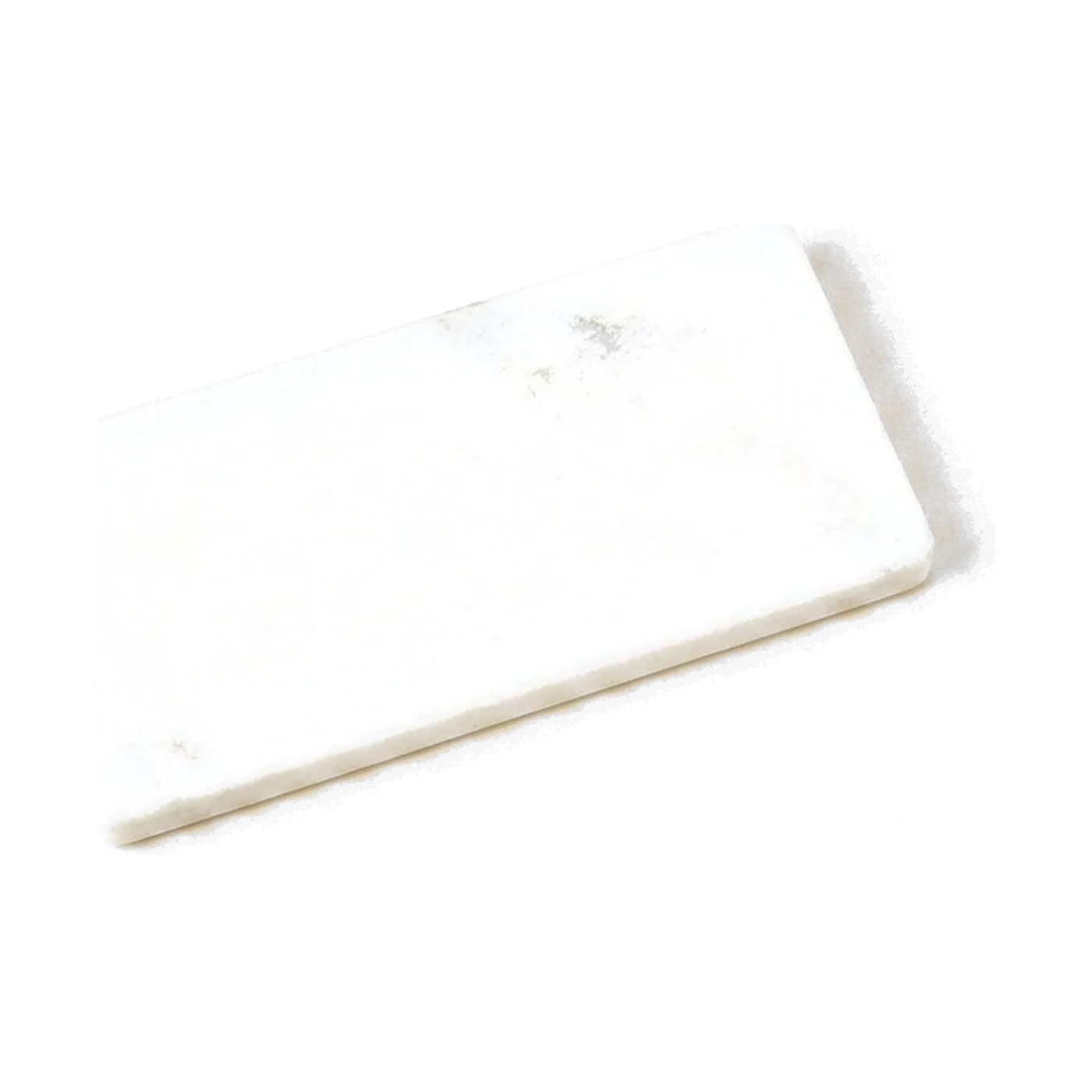
Thermic TabletsTemperature Discrimination Through Touch
€83.90In Stock. Delivery in 5 to 9 working days.
The first photo is the maker's own. The other shots are illustrative.
Inv. no. NIE-0018A0
- Maker
- Nienhuis Montessori, since 1929
- Approval
- AMI
- Product size
- 8 × 4 cm
- Storage Box
- Natural wood with dividers
- Tablet Materials
- Felt, wood, steel, cork, glass, marble
- EAN
- 8719924000349
€83.90
Final price incl. VAT. Delivery €5.90, €65.10 to go for free delivery.
✓ In StockDelivery in 5 to 9 working days.
1
30 daysto return
Advicebefore and after
Invoicefor companies
Advice, warranty and returns are handled by us.
The original
Why it costs €83.90
Behind the price of the original are things you can check yourself.
AMI approval
The material is approved by the Association Montessori Internationale (AMI). Nienhuis has made Montessori materials since 1929.
A verifiable original
The EAN 8719924000349 is on the box. It is the maker's number, not ours.
What the child does
Thermic Tablets in a child's hands
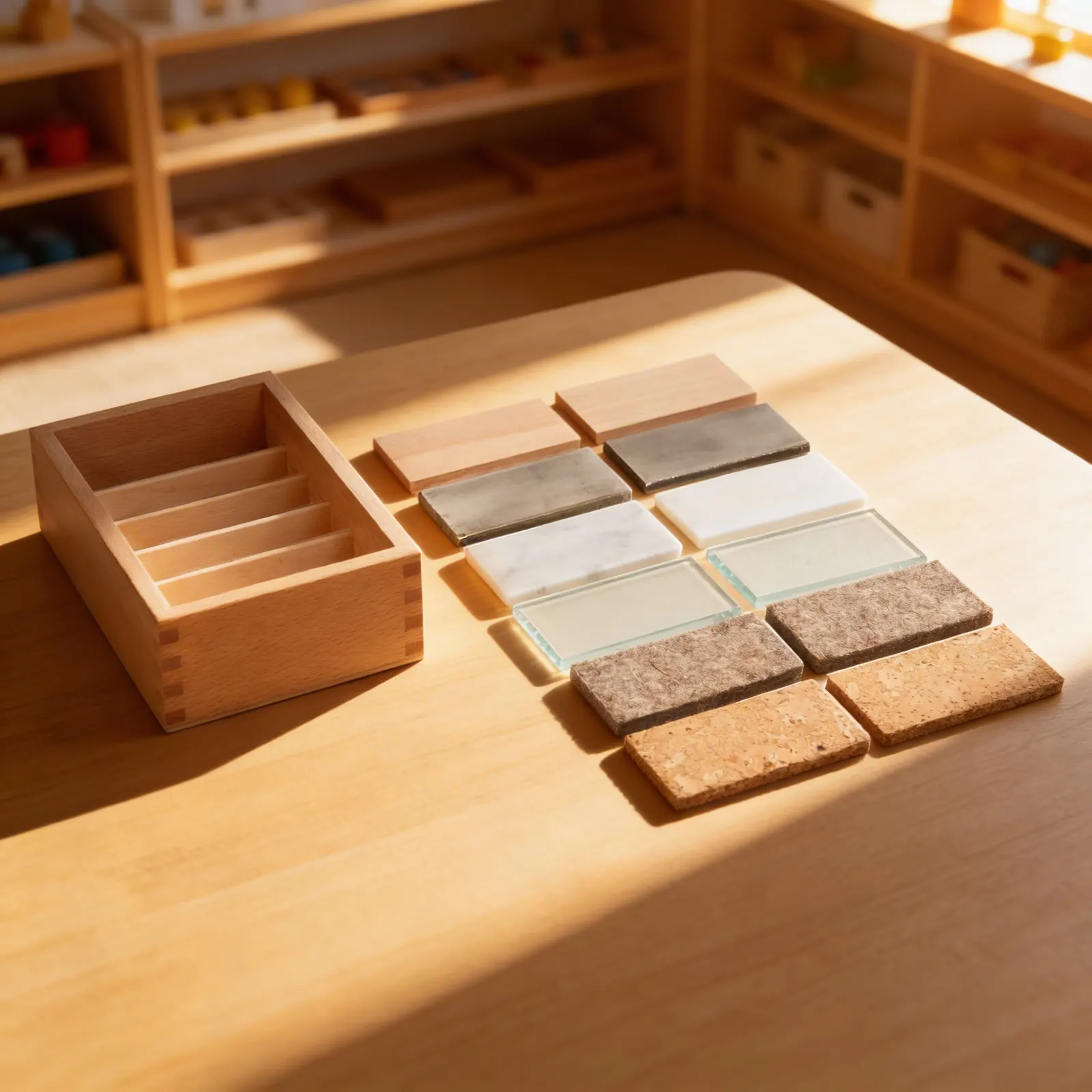
Sharpening perception one step at a time, this Thermic Tablets set brings children face-to-face with temperature perception through a collection of six pairs of tablets made from different materials with varying thermal conductivities. Each material - including wood, glass, stone, cork, felt, and metal - provides a unique temperature sensation when touched, helping children develop their thermic sense and material discrimination abilities. The tablets are stored in a compartmentalized wooden box for organized presentation and matching activities.
Thermic Discrimination
Refines the child's ability to perceive and distinguish temperature differences through touch.
Sensory Memory
Develops sensory memory and concentration through matching activities with temperature sensations.
Material Properties
Introduces scientific concepts of thermal conductivity and material properties through hands-on exploration.
Activity Guide
How to present it
Place the box on a table mat. Sit to the child's dominant side. Ensure hands are at room temperature. Present during moderate room temperatures for optimal contrast.
- 1Remove tablets systematically, creating two mixed groups of six tablets each
- 2Select one tablet, hold with fingertips for 3-5 seconds, focusing on temperature sensation
- 3Find its pair by touching each tablet in the second group, comparing temperatures
- 4Place matched pairs together in a row
- 5Verify matches by touching paired tablets alternately
3 tips for parents
- At home, explore temperature differences in everyday materials like wooden spoons versus metal spoons
- Discuss why we use different materials for different purposes based on their thermal properties
- During weather changes, notice how different clothing materials feel against the skin
From the same maker
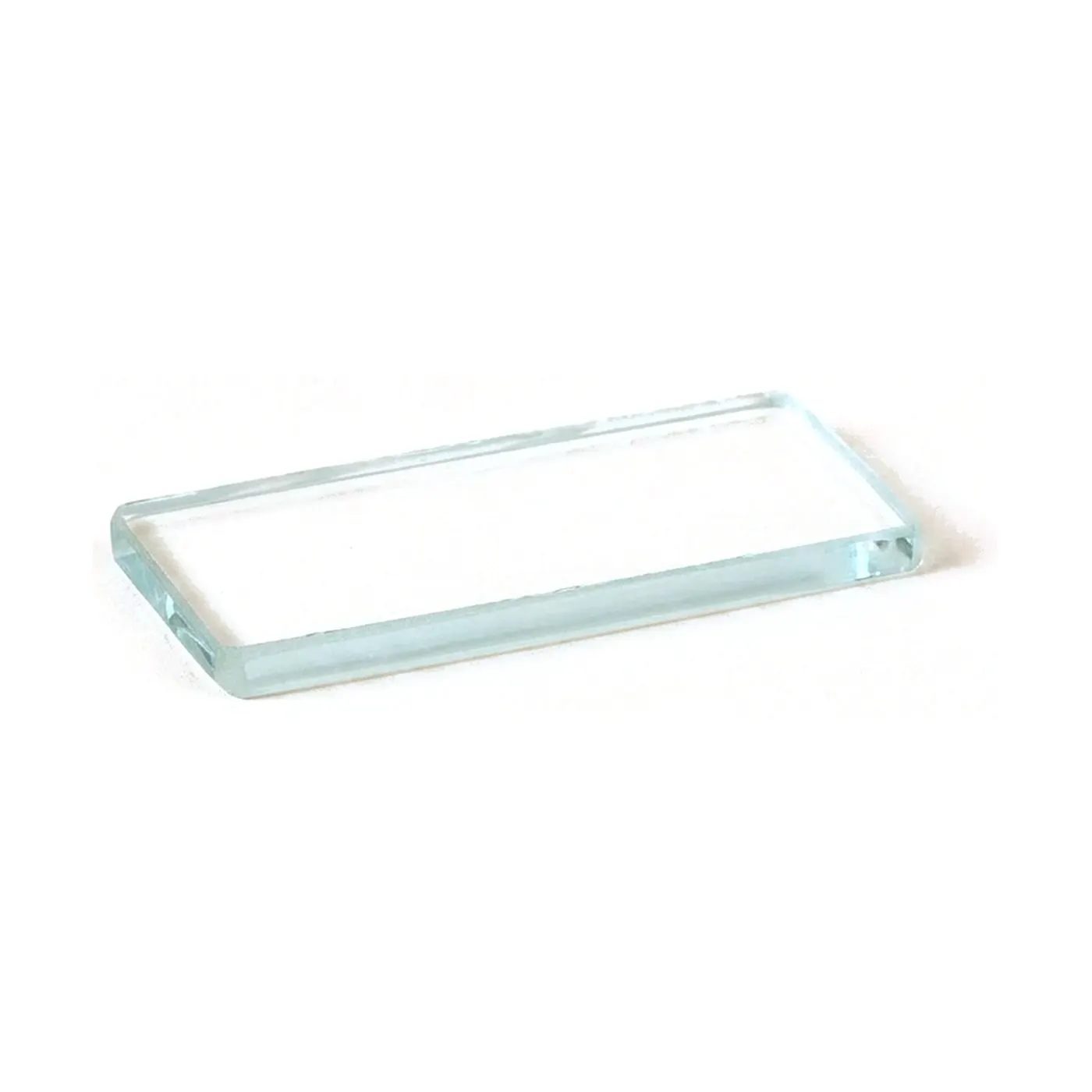
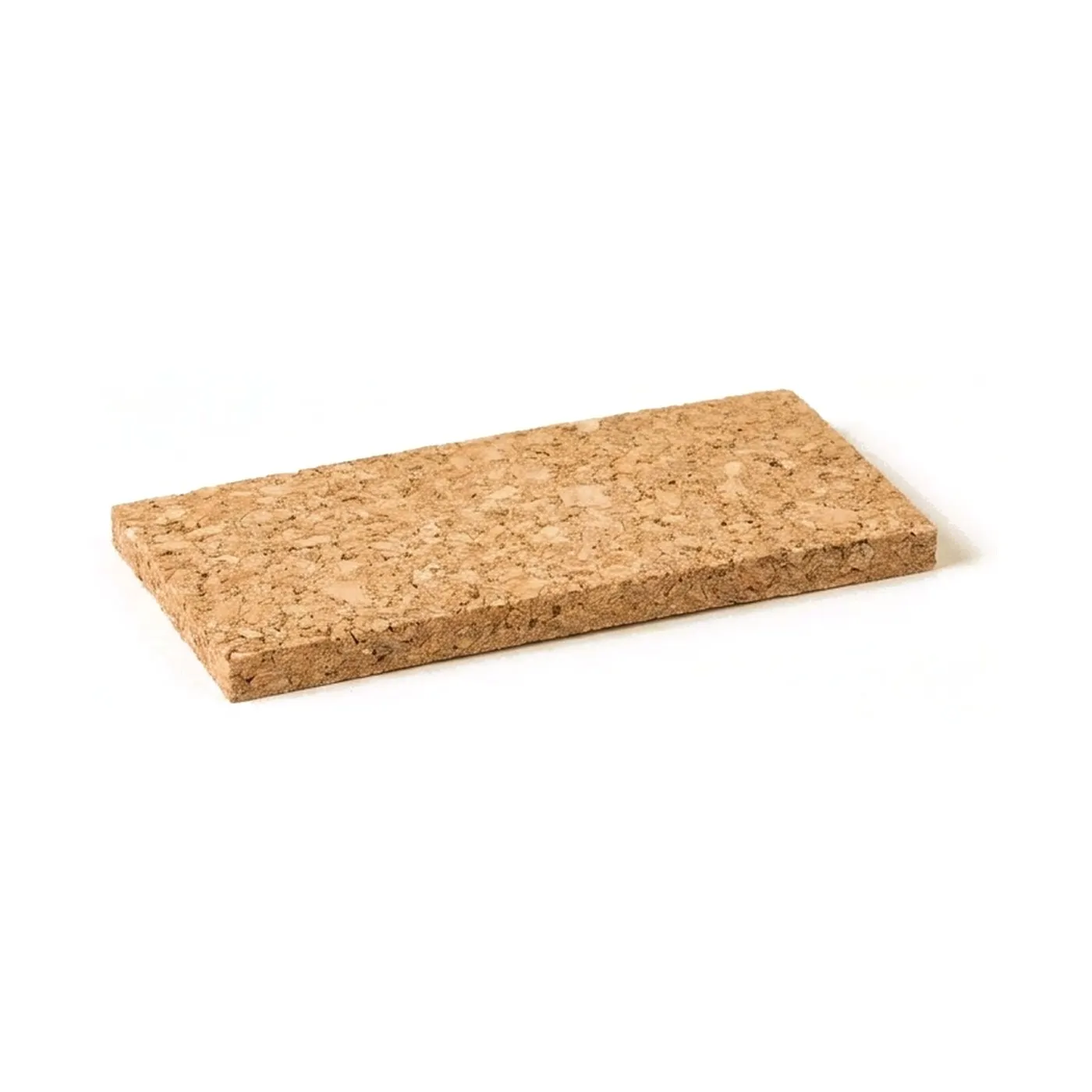
Spare parts
Why it is in our selection
If you are not sure it suits your child, we answer in person.
Norbert Kovalčín, founder of Faborino · write to him
There is no review here yet. We will ask you for one after you buy. Write the first review
Details
What's in the Box
- Wooden storage box: With 6 compartments
- 12 tablets (6 pairs): 2 each of felt, wood, steel, cork, glass and marble, 8 × 4 cm
Size and material
| Product size | 8 × 4 cm |
| Packaging | 17 × 12 × 7 cm |
| Storage Box | Natural wood with dividers |
| Tablet Materials | Felt, wood, steel, cork, glass, marble |
| Recommended Age | 3-6 years |
Care
Wipe tablets with damp cloth, dry immediately
Frequently Asked Questions
What are Montessori thermic tablets and how do they work?
Thermic tablets are sensorial materials consisting of six pairs of tablets made from different materials (wood, glass, stone, cork, felt, and metal). Each material has different thermal conductivity, creating distinct temperature sensations when touched. Children match pairs blindfolded or with eyes closed, developing their ability to perceive and discriminate temperature differences through touch.
At what age should children start using thermic tablets?
Thermic tablets are designed for children ages 3-6 years. Children should have developed basic sensorial discrimination skills and be able to handle materials carefully. This activity typically follows work with other tactile materials like rough and smooth boards or fabric boxes in the Montessori sensorial curriculum.
What skills do thermic tablets develop in children?
Thermic tablets develop thermic perception, temperature discrimination, and tactile sensitivity. They enhance sensory awareness, concentration, and memory while building vocabulary related to temperature and materials. The matching activity also develops cognitive skills, scientific thinking about material properties, and prepares children for understanding heat conductivity concepts.
How do you present thermic tablets to a child?
Begin by showing the child how to carry the box carefully to a table. Demonstrate touching each tablet gently with fingertips, noting temperature sensations. Mix one set and show how to match pairs by touch. Initially work with eyes open, progressing to blindfolded matching. Use precise language like 'warmer,' 'cooler,' and material names throughout the presentation.
What activities can extend learning with thermic tablets?
Extension activities include grading tablets from coldest to warmest, exploring room objects to find similar thermal properties, discussing why materials feel different temperatures, and connecting to science concepts about conductivity. Children can also create temperature sorting games, explore tablets after exposure to sunlight, or combine with other sensorial materials for multi-sensory experiences.
Product safety
Manufacturer: Nienhuis Montessori, Anders Celsiusstraat 15, 7442 PB Nijverdal, Netherlands
Thermic Tablets
€83.90