
Extra Flags: White (10)
Made by Nienhuis Montessori · shipped by Heutink International (Netherlands) About the maker
Extra Flags: White is a refill pack of 10 small plastic flags on slim metal pins, sold separately to top up the pin flags used across the Geography materials for marking locations on control and working maps. When a lesson runs through the existing supply, a spare white set means map work continues without a pause to search for missing pieces. Suited to ages 3 to 6, the pins match existing Nienhuis map materials, a small, practical accessory to keep on the Geography shelf, AMI aligned.
“The greatest sign of success for a teacher is to be able to say, 'The children are now working as if I did not exist.'”
Maria Montessori believed that children possess a natural fascination with the wider world, what she called 'cosmic education', the understanding that everything in the universe is interconnected.
Read More
These white flags embody this philosophy by serving as bridges between abstract geographical concepts and concrete, manipulable reality. When a child places a flag on the continent of Africa while learning about elephant habitats, they're engaging in what Montessori termed 'intelligent love', developing genuine affection for our planet through active participation rather than passive observation. The neutral white color reflects Montessori's emphasis on materials that allow children to construct their own meaning rather than having categories imposed upon them. Unlike pre-colored flags that might dictate 'capitals are red' or 'rivers are blue,' white flags honor the child's developing ability to create their own classification systems. This freedom to organize and categorize supports the development of abstract thinking skills essential for mathematical and scientific reasoning. The precise motor control required to handle these delicate tools also aligns with Montessori's understanding that refinement of movement leads to refinement of thought.
Every Child Is a Little Creator

Heritage
Since 1929

In classrooms
Around the world

European brands
Nienhuis, GAM, Educo

AMI approved
To the association standard
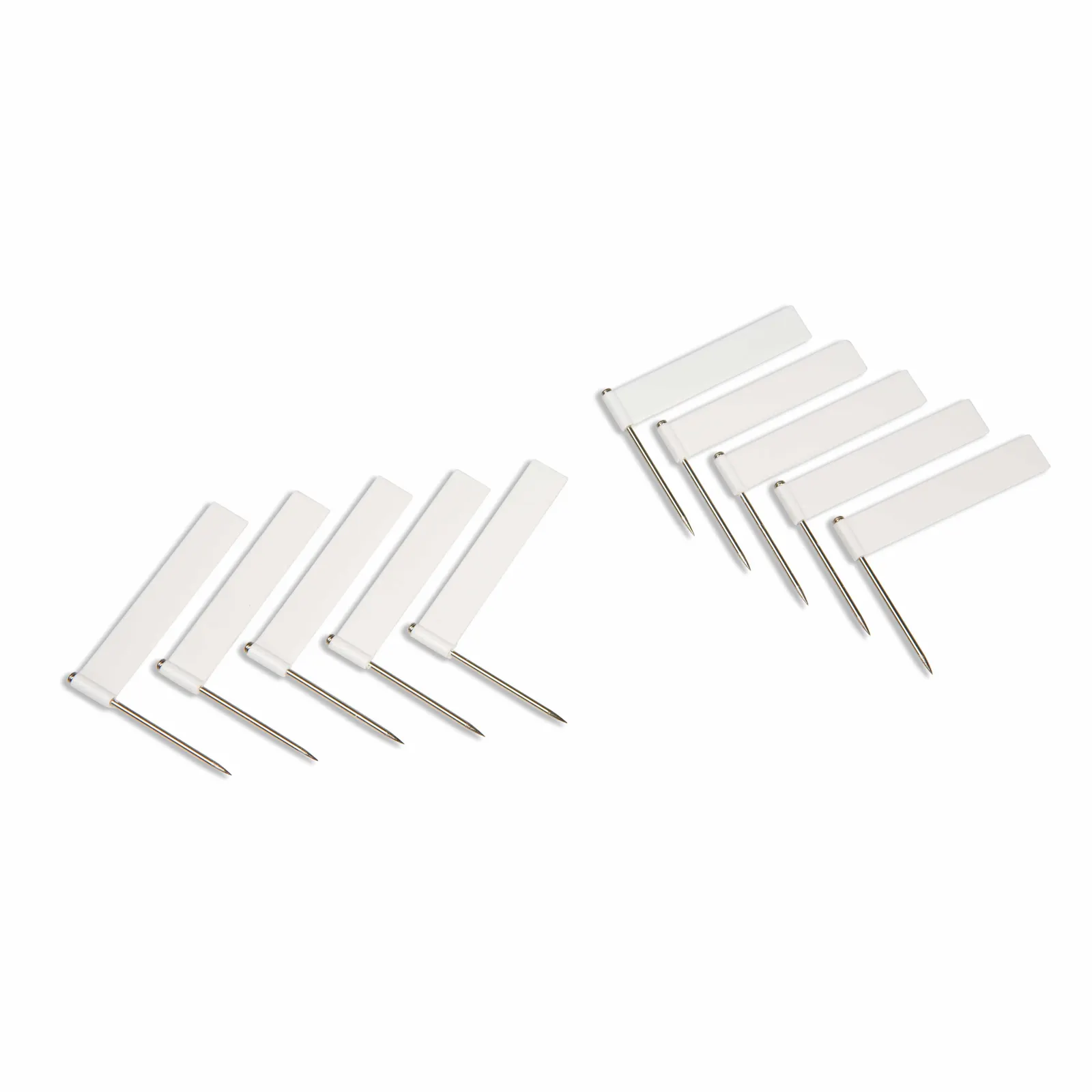
Extra Flags: White (10)
