
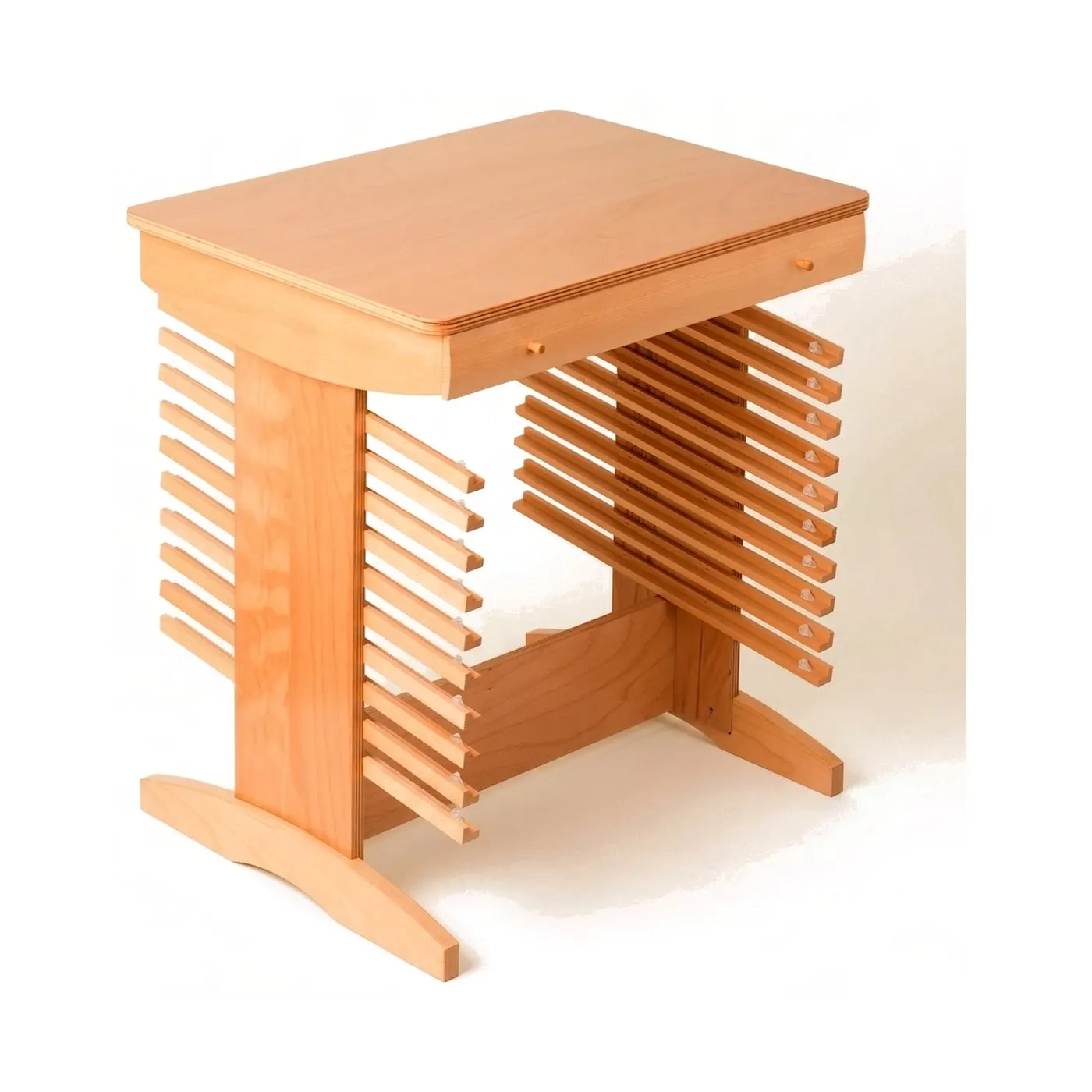
Puzzle MapAsia
The first photo is the maker's own. The other shots are illustrative.
Inv. no. NIE-0176G0
- Maker
- Nienhuis Montessori, since 1929
- Approval
- AMI
- Base & Pieces
- Solid wood
- Finish
- Paint
- EAN
- 8719924009250
€154.90
Final price incl. VAT. Free delivery.
On backorder. Expected back in stock 6 January 2027. You can order now, we ship the moment it arrives.
1
30 daysto return
Advicebefore and after
Invoicefor companies
Advice, warranty and returns are handled by us.
The original
Why it costs €154.90
Behind the price of the original are things you can check yourself.
AMI approval
The material is approved by the Association Montessori Internationale (AMI). Nienhuis has made Montessori materials since 1929.
A verifiable original
The EAN 8719924009250 is on the box. It is the maker's number, not ours.
What the child does
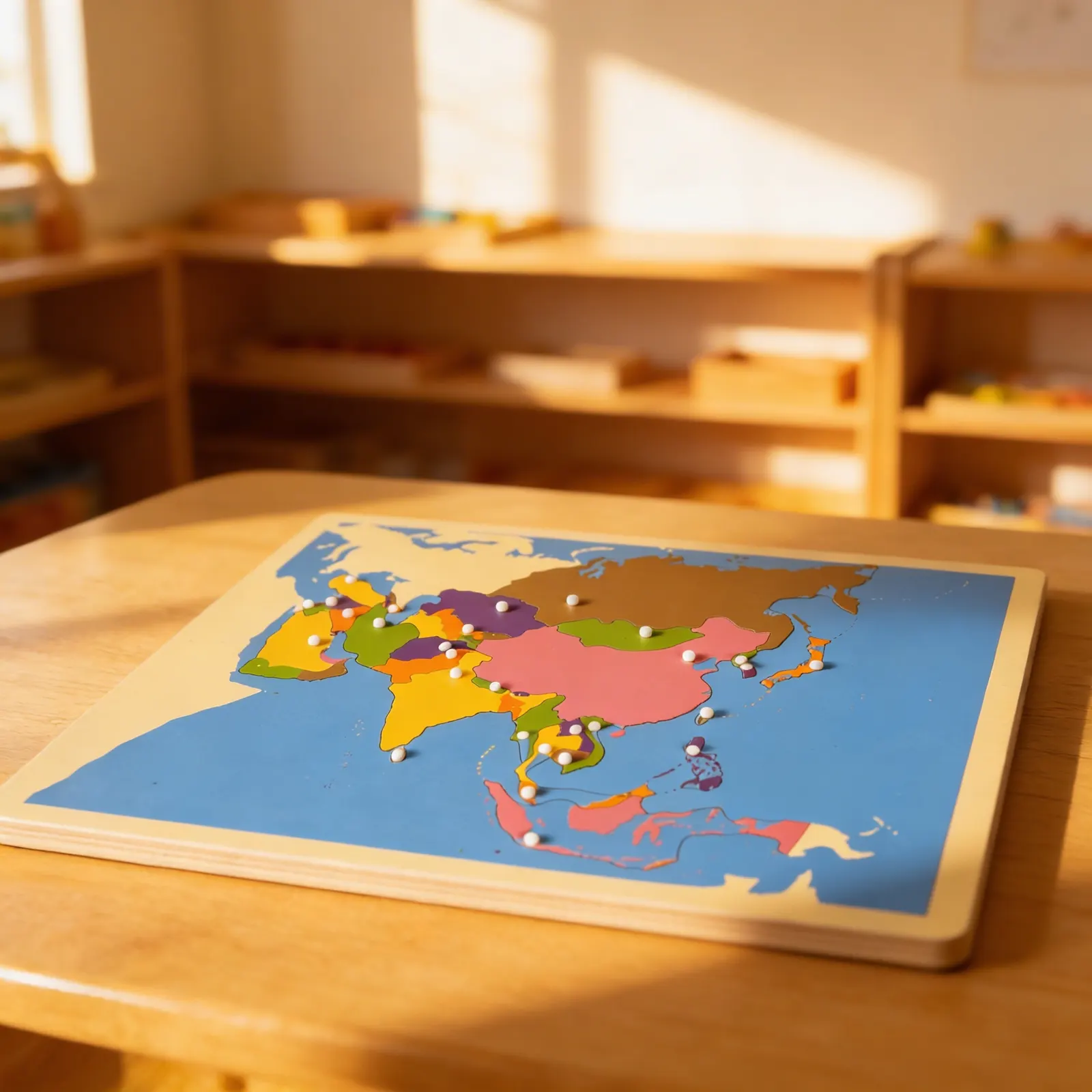
Puzzle Map in a child's hands
Refined through decades of classroom use, this wooden puzzle map of Asia opens the door to the continent's diverse countries through tactile learning. Each country is represented by a removable puzzle piece with a white knob handle, giving children the chance to trace, match, and learn the shapes and positions of Asian nations. The color-coded design helps children distinguish between countries while developing their understanding of political geography and spatial relationships.
Geographic Awareness
Children develop understanding of Asia's political boundaries, country shapes, and relative positions through tactile exploration.
Fine Motor Control
Grasping the knob handles and fitting pieces precisely strengthens pincer grip and hand-eye coordination.
Visual Discrimination
Color-coded countries help children distinguish between nations while building visual memory and recognition skills.
Cultural Foundation
Creates concrete understanding of Asian geography, preparing children for future cultural studies and global awareness.
Activity Guide
How to present it
Place the Asia puzzle map on a work mat at the child's table. Have a pencil and paper ready for tracing activities. Ensure good lighting to see country boundaries clearly.
- 1Invite the child to remove one country piece using the knob, starting with larger, distinctive shapes
- 2Name the country as you remove it, then invite the child to feel its edges
- 3Replace the piece, demonstrating how to align edges precisely with the frame
- 4Continue with 3-4 countries in the first lesson, allowing the child to remove and replace
- 5In subsequent work, introduce tracing around removed pieces on paper
3 tips for parents
- Point out Asia on globes or world maps at home, connecting to the puzzle work
- Share family heritage connections to Asian countries when relevant
- Look for Asian countries in news, sports, or cultural events to make geography connections
From the same maker
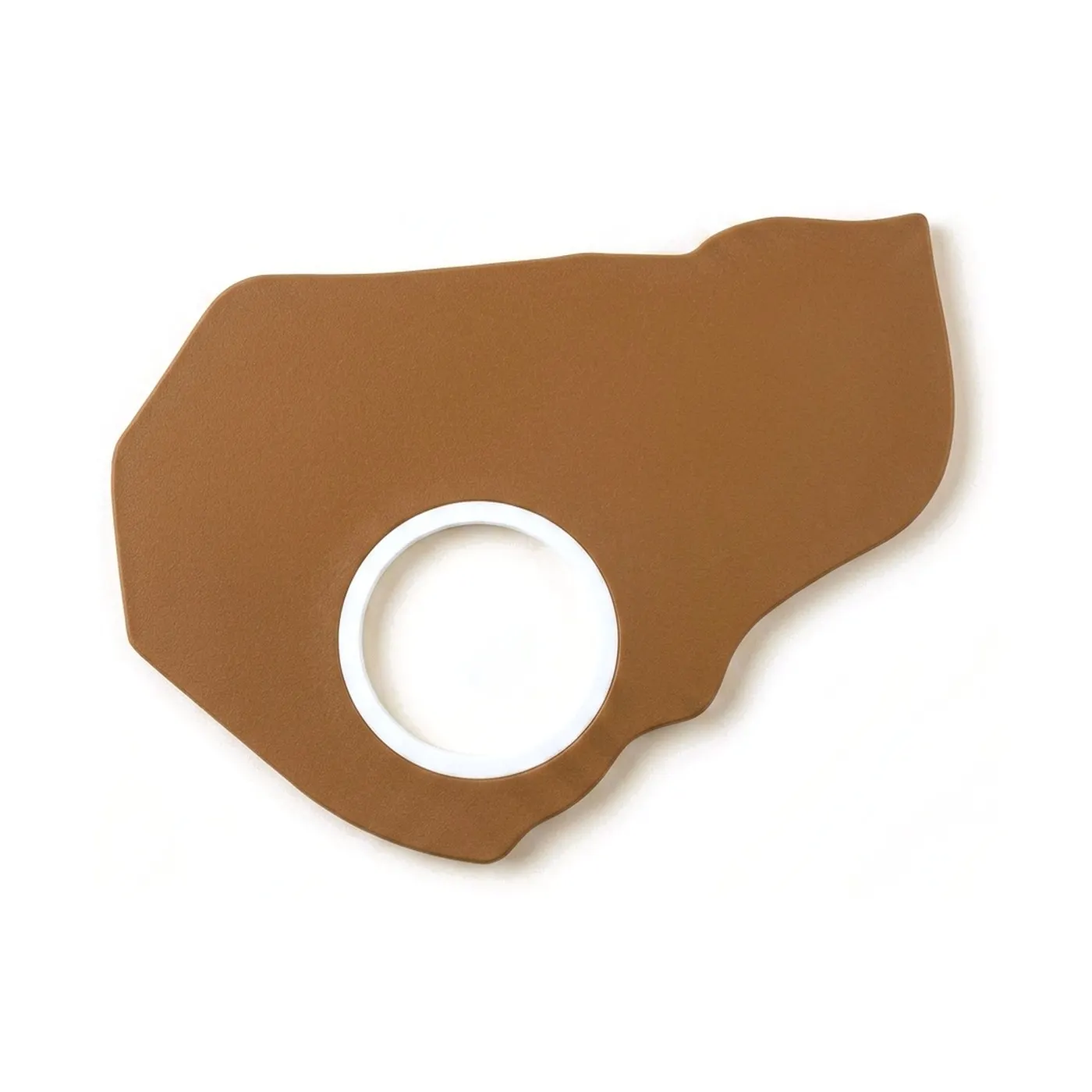
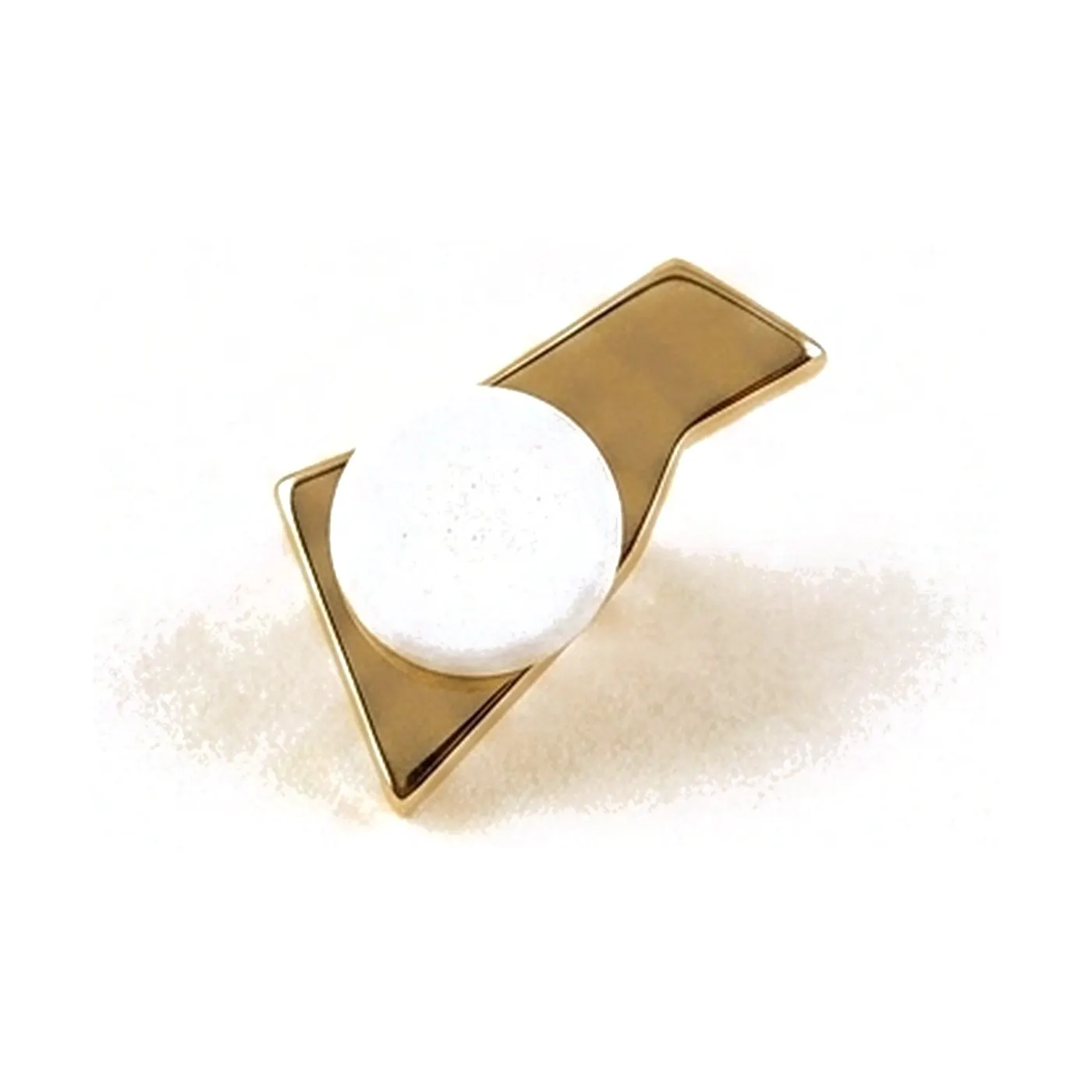
Accessories and spare parts


Why it is in our selection
If you are not sure it suits your child, we answer in person.
Norbert Kovalčín, founder of Faborino · write to him
There is no review here yet. We will ask you for one after you buy. Write the first review
Details
What's in the Box
- Wooden puzzle base: With recessed areas for each country
- Country puzzle pieces: Approx. 20 pieces with knob handles
- Ocean areas: Fixed blue painted sections
Size and material
| Packaging | 62 × 50 × 3 cm |
| Base & Pieces | Solid wood |
| Finish | Paint |
| Handles | White wooden knobs |
| Recommended Age | 3-6 years |
Care
| Cleaning | Wipe with slightly damp cloth, dry immediately |
| Storage | Store flat in dry area away from direct sunlight |
Frequently Asked Questions
What age is the Asia puzzle map suitable for?
This puzzle map is designed for children ages 3-6 years old. The knobbed pieces are perfectly sized for small hands, and the material introduces geography concepts at an appropriate developmental level for preschool and early elementary children.
How many country pieces are included in this Asia puzzle?
The puzzle includes individual pieces for each recognized country in Asia, with larger countries having their own removable pieces and smaller nations sometimes grouped together. Each piece features a white knob handle for easy manipulation.
What skills does this puzzle map help develop?
This material develops fine motor skills through piece manipulation, visual discrimination through shape recognition, spatial awareness, geographical knowledge, and concentration. Children also learn country names, positions, and develop an understanding of political boundaries.
Are the country names labeled on the puzzle?
The puzzle itself typically doesn't have printed labels, following Montessori principles of isolation of concepts. Country names are usually introduced separately through three-period lessons or accompanying control maps, allowing children to focus first on shapes and spatial relationships.
What is the size and material of this puzzle map?
This is a high-quality wooden puzzle map made from durable materials designed for classroom use. The map is sized appropriately for table work and the pieces are thick enough for children to handle easily while tracing around them.
Product safety
Manufacturer: Nienhuis Montessori, Anders Celsiusstraat 15, 7442 PB Nijverdal, Netherlands
Puzzle Map
€154.90